Discover the essentials of crafting a resilient boundary for your New Bedford home with our comprehensive guide on DIY fence installation. Tailored to the region’s unique climate, this article will help you choose the most suitable style for your property, ensuring both aesthetic appeal and weather resilience. From selecting the ideal materials to mastering the installation process, we provide a detailed step-by-step guide designed for long-lasting durability in New Bedford’s coastal environment. Additionally, we’ll share valuable insights on maintaining your fence, safeguarding it against the elements, and ensuring its longevity. Dive into these practical tips to enhance your home’s privacy, security, and curb appeal with a DIY project that stands the test of time.
- Choosing the Right Fence Style for New Bedford Climate
- Essential Tools and Materials for DIY Fence Installation
- Step-by-Step Guide to Installing a Durable Fence in New Bedford
- Maintaining Your Fence in Coastal Conditions: Tips for Long-Term Protection
Choosing the Right Fence Style for New Bedford Climate
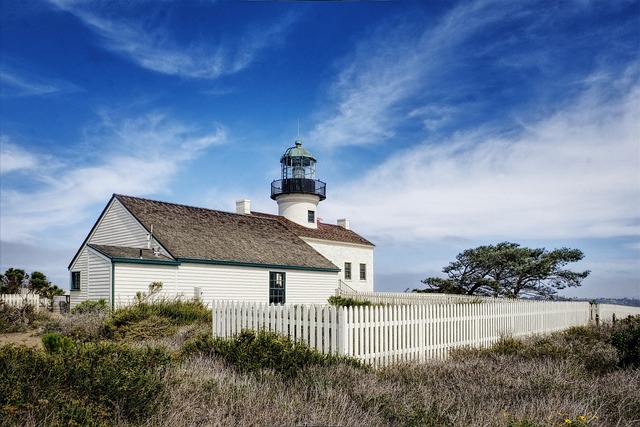
When selecting the appropriate fence style for New Bedford, Massachusetts residents must consider both the local climate and personal preferences. The region’s maritime influence brings a temperate, often wet climate with significant rainfall and a range of temperatures throughout the year. A durable, weather-resistant material like treated wood or composite can withstand the area’s humidity without compromising on aesthetic appeal. For instance, a traditional picket fence offers classic charm and can be designed to resist rot and decay, which are common in damp climates. Alternatively, vinyl fencing is low maintenance, offering a variety of styles from privacy to semi-privacy and decorative designs that can complement any home’s architectural style.
Additionally, the height and design of the fence should be chosen with both privacy needs and local zoning laws in mind. For example, a taller fence might be necessary for maximum privacy, but it must comply with the town’s regulations regarding property lines and visibility requirements from public ways. Homeowners should also consider the impact of the prevailing winds during storms or the potential for high waves to come ashore during coastal storms, ensuring that the chosen style has enough strength and stability to remain secure in such conditions. Choosing a style that not only fits the character of New Bedford’s neighborhoods but also stands up to its unique weather patterns is crucial for a fence that will endure and enhance the home’s beauty for years to come.
Essential Tools and Materials for DIY Fence Installation
Embarking on a DIY fence installation in New Bedford, Massachusetts requires careful planning and a comprehensive list of tools and materials to ensure the project’s success. To begin with, a tape measure and a set of carpenter’s pencils are fundamental for marking out post positions and transferring measurements accurately. A level or transit is crucial for ensuring posts are plumb and aligned. A post hole digger or an auger attachment for an electric drill will facilitate the creation of precise holes for the fence posts, which should be cut to the correct length prior to installation.
In addition to these, a mallet or rubber mallet is necessary for tapping posts into place without damaging them. A spirit level or laser level will help verify that each post is vertical and at the desired height. For setting concrete, you’ll need wheelbarrows or mixing buckets, concrete mix, shovels, and rakes. Safety equipment such as safety glasses, work gloves, and steel-toed boots are imperative to protect against injury. Galvanized or stainless steel hardware, including nails, screws, brackets, and post caps, will be needed for securing the fence panels to the posts. Finally, a circular saw with a fine-toothed blade can be invaluable for making precise cuts on the wood components of your fence. Ensure you have all necessary permits before beginning work, and always adhere to local building codes and regulations. With the right tools and materials at hand, New Bedford homeowners can undertake their DIY fence installation with confidence.
Step-by-Step Guide to Installing a Durable Fence in New Bedford
Embarking on a DIY fence installation in New Bedford, Massachusetts requires careful planning and attention to local building codes. Begin by selecting the type of fence that best suits your needs and property, whether it be wood, vinyl, chain link, or another material. Ensure you have a clear understanding of the dimensions needed for your boundary line, and obtain any necessary permits from the city before commencing work.
Mark out your property line with stakes and string to ensure the fence will be placed where it is allowed to be. Next, excavate post holes to the required depth, typically eight to ten inches below the frost line, mixing concrete into each hole for stability. Set the corner posts first, ensuring they are plumb and level, then work outwards, installing intermediate and line posts at equal intervals. Allow the concrete to cure according to the product’s instructions before proceeding.
Once the posts are set and dry, attach the rails or arms to the posts if your fence design requires them. Measure and cut the fence panels or pickets to fit between the posts, attaching them with appropriate hardware. Ensure each section is securely fastened and check for levelness and alignment. Finish by installing gate hinges and a latch that meets your security needs. Throughout the process, consider the impact of New Bedford’s coastal climate on your materials, opting for weather-resistant options to ensure longevity. With diligence and attention to detail, you can successfully install a durable fence that will enhance the privacy and aesthetic appeal of your New Bedford home for years to come.
Maintaining Your Fence in Coastal Conditions: Tips for Long-Term Protection
Living in New Bedford, Massachusetts, homeowners are intimately familiar with the harsh conditions that coastal weather can impose on outdoor structures, including fences. The salty air and frequent exposure to wind-driven rain and sun can accelerate wear and tear, making it imperative to implement strategies for long-term protection of your fence. To combat the corrosive effects of the maritime environment, consider using rot-resistant wood species or durable materials such as vinyl or composite for your fence construction. Regular maintenance tasks, such as cleaning with fresh water to remove salt deposits and inspecting for damage after major storms, are crucial. Additionally, applying a protective sealant or paint designed for high-humidity and UV exposure can significantly extend the lifespan of your fence. Annual inspections and timely repairs will help you stay ahead of potential issues, ensuring your fence remains sturdy and attractive for years to come. By anticipating and addressing the challenges posed by coastal conditions, New Bedford homeowners can maintain their fences effectively, safeguarding both their property boundaries and investments.